

A Beginner's Guide to Identifying Common British Garden Birds
Learn to recognise twenty common British garden birds by sight and song, with practical feeder tips and seasonal behaviour notes for beginners.
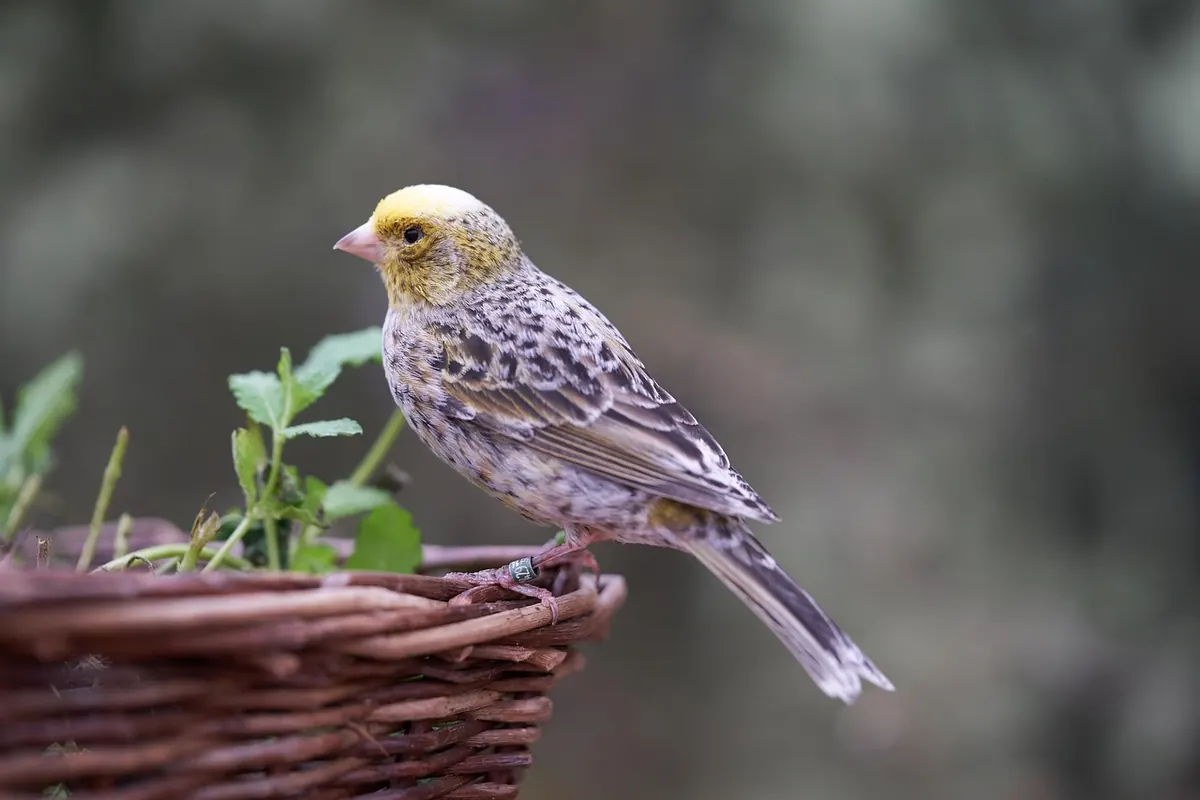
Start with the birds you already half know: a robin on the spade handle, a blackbird singing after rain, a blue tit hanging upside down from a peanut feeder. Identification gets easier when you stop trying to learn every species at once. Watch for ten minutes, note size, beak, tail and movement, then listen. The twenty birds below are the ones most of us meet first.
Get your eye in: size, shape and movement
Before you reach for a book or app, ask four questions. How big is it compared with a house sparrow? What shape is its beak? Does it feed on the ground, in the hedge or on a hanging feeder? How does it move?
- Size: a wren is tiny and round; a woodpigeon is plump and heavy; a jackdaw sits between the two.
- Beak: finches have short, strong cones for seed; thrushes have finer beaks for worms and berries; woodpeckers have chisel-like bills.
- Posture: tits hang acrobatically; dunnocks shuffle low; crows swagger.
- Sound: a single call often confirms what your eyes suspect.
Morning is best. Birds feed hard after dawn and the light is soft. Keep still, and most garden birds will ignore you once they trust the routine.
The confident regulars: robin, blackbird and starling
The robin is unmistakable: brown above, orange-red breast and face, round body, bright black eye. Its thin, wistful, high-pitched song often comes from a low branch, and both sexes sing in winter.
The blackbird is nearly as familiar. The male is all black with a yellow-orange bill and eye-ring; the female is brown and mottled. Its rich, mellow, flute-like song is delivered from a rooftop or treetop, while a sharp rattle warns of a cat or sparrowhawk.
Starlings arrive in noisy groups. They look glossy black in summer and speckled white in winter, with a yellow bill in spring. Their song is a jumble of whistles, clicks and mimicry. They will take suet, peanuts and scraps from a ground tray.
Small birds with big personalities: tits and wren
The blue tit has a blue cap, wings and tail, a yellow belly and a white face with a dark eye-line. It hangs upside down on feeders and sings a high, rapid see-see-see.
The great tit is larger and bolder: black head, white cheeks, yellow belly and a black stripe. Its two-note teacher-teacher song is one of the first sounds of late winter, and it will boss smaller birds away from peanuts.
The coal tit is daintier, with a black cap, white nape patch and greyish back. It often takes a seed and flies away to eat it. Listen for a high, thin pee-choo or see-saw call.
The long-tailed tit looks like a small, fluffy lollipop: pink, black and white, with a tail longer than its body. It travels in restless family parties, calling a rolling tsirrup as it moves through hedges.
The wren is tiny, brown and barred, with a short tail usually cocked upright. It slips through low cover like a mouse, then surprises you with a rapid, trilling burst of song.
Sparrows, dunnocks and thrushes: the quieter ground feeders
The house sparrow is chunky and sociable. The male has a grey crown, black bib and chestnut nape; the female is plain brown and buff. They chirrup and cheep from hedges and gather in noisy groups on the ground.
The dunnock is often overlooked: a quiet, brown-grey bird with a thin beak, shuffling under shrubs. Its song is a thin, sweet, hurried warble from a low perch. It prefers seeds and insects fallen beneath the feeder.
The song thrush is brown above and creamy below with dark speckles. It sings in clear, repeated phrases, often repeating each phrase two or three times. It loves snails and berries, and will use a stone as an anvil to crack shells.
Finches: colour, chatter and feeder etiquette
The chaffinch is one of Britain's most common finches. The male has a pinkish breast, blue-grey cap and white wing bars; the female is plainer. Its song is a cheerful cascade that ends with a flourish, and its call is a firm chip-chip.
The goldfinch is unmistakable: red face, black and white head, gold wing bar and a light, bouncing flight. It feeds on nyjer and sunflower hearts and chatters a liquid, tinkling song. Goldfinches often arrive in small flocks, then scatter at sudden movement.
The greenfinch is stocky and greenish, with a heavy beak and yellow edges to the wings and tail. Its song includes a wheezy dzweee, like a small door creaking. It can be aggressive at a seed feeder.
The bullfinch is shy and beautiful. The male has a pink-red breast, black cap and white rump; the female is duller but shares the chunky shape. Its call is a soft, sad pew. It may visit quietly at dawn or dusk.
Larger visitors: pigeons, doves, crows and woodpeckers
The collared dove is pale grey-buff with a narrow black collar on the back of the neck. Its song is a gentle, repetitive coo-COO-cuk. It will feed on the ground or a sturdy table.
The woodpigeon is larger and plumper, grey with a white neck patch and pinkish breast. Its five-note coo is a familiar garden sound. It can clear a tray of seed in minutes, so use a feeder with a small perch if you want to discourage it.
The magpie is black and white with a long tail and a harsh, chattering call. It is intelligent and bold, and rarely uses small feeders.
The jackdaw is a small, compact crow with a grey nape, pale eye and quick, jaunty walk. Its call is a sharp tchack. It will take peanuts, suet and scraps from a ground tray.
The great spotted woodpecker is black and white with red under the tail and white shoulder patches. It drums on dead wood in spring and gives a sharp, explosive kek. It will visit peanut and suet feeders, often clinging sideways.
Feeders, seasons and a few good habits
A garden with one feeder is a start; a garden with a few different foods is a community. Try these basics:
- Offer a mix: sunflower hearts suit most birds; nyjer for goldfinches; peanuts in a mesh feeder for tits and woodpeckers; suet in winter; mealworms in spring for robins and blue tits.
- Keep it clean: wash feeders regularly with hot soapy water, rinse well and let them dry. Discard mouldy or clumped food.
- Provide water: a shallow dish or bird bath is as important as food, especially in summer and during frost. Keep it clean and ice-free in winter.
- Place feeders wisely: near cover but not so close that cats can hide; away from windows to reduce collisions.
- Watch the seasons: spring brings nesting and insects; summer brings fledglings and a need for water; autumn brings roaming flocks; winter brings mixed feeding parties and a need for high-energy food.
Do not worry about identifying everything at once. Pick one bird each week and learn its shape, call and habits. By next spring, the dawn chorus will sound less like a crowd and more like a conversation.
Photo: RoyBuri / Pixabay