The Ultimate Checklist for a Safe Countryside Walk with Your Dog
A practical, field-tested checklist for walking your dog in the British countryside — kit, leads, water, first aid, livestock awareness and countryside manners.
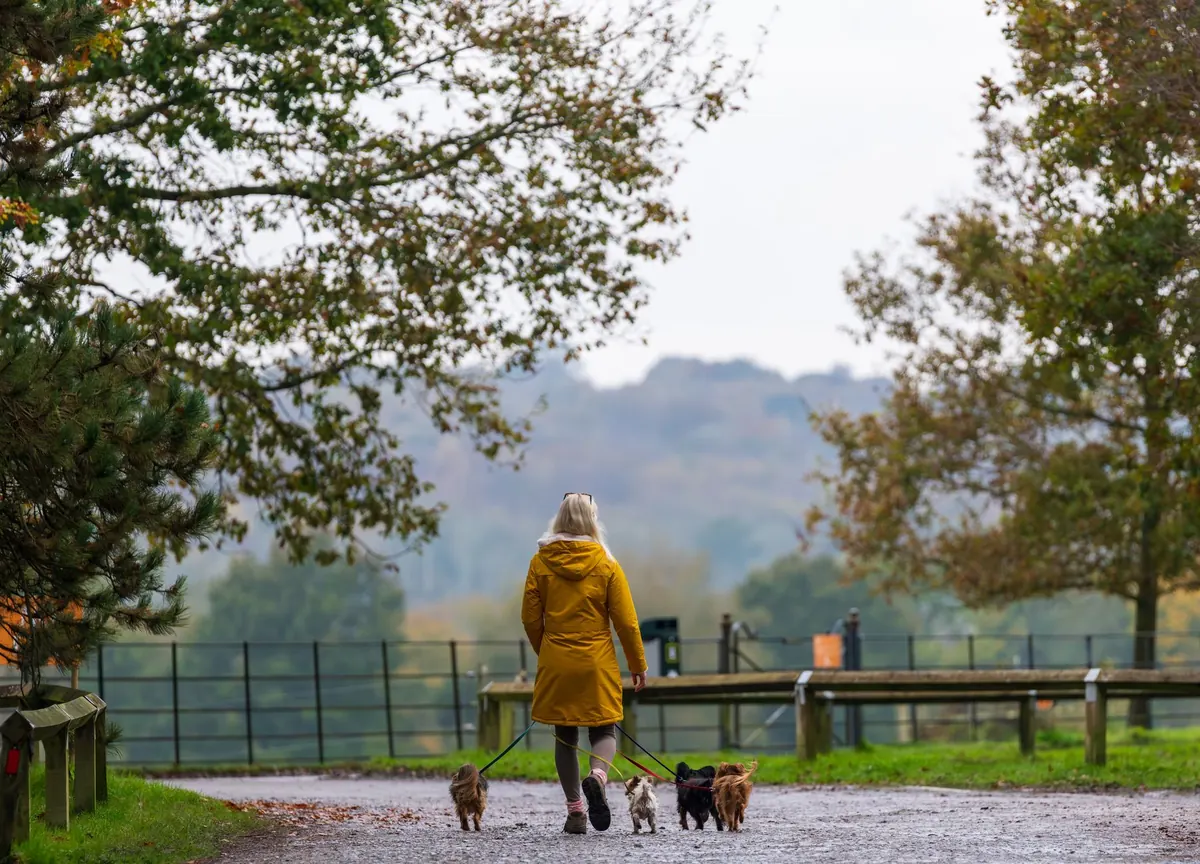
The best countryside walks rarely announce themselves. They're the footpath sign half-swallowed by a hedge, the track that curls round the edge of a wheat field, the stretch of riverbank where the swimming is good. What separates a golden afternoon from a stressful one is almost never the route. It's what's in your pockets, and how well your dog has been prepared for what you'll meet along the way.
Countryside walking comes with variables that pavement walking doesn't: livestock, stiles, deep mud, weather that turns in twenty minutes, and wildlife that would rather your dog stayed on the path. None of it is difficult to manage. It just needs a bit of thought before you lock the door.
The Kit That Earns Its Place in Your Bag
You don't need much, but the handful of items below will cover you for almost anything a British footpath can throw at you. Keep them in one bag so you're not hunting for a missing lead at ten past nine on a Sunday morning.
- A spare lead. Leads fail at the worst moments — a chewed clip, a slipped hand. A lightweight slip lead takes up almost no room.
- A long line. Ten metres of webbing gives your dog room to explore while keeping them under control near roads, sheep or cliff edges.
- Water and a bowl, or a collapsible travel bowl. Streams aren't a reliable substitute.
- Treats in a pocket you can reach one-handed. Recall practice happens in real time, not when you've stopped to rummage.
- More poo bags than you think you need. Take them home with you.
- A basic first aid kit. More on that below.
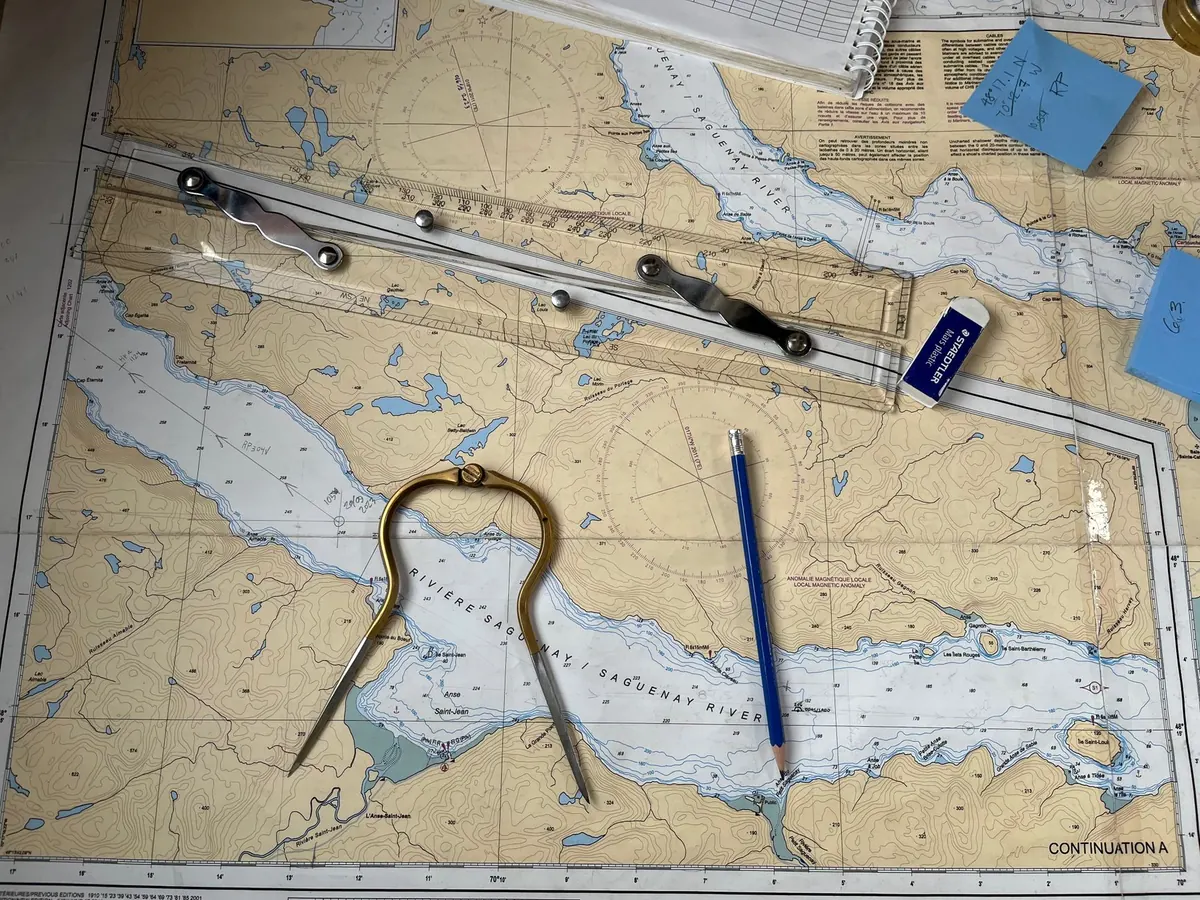
- A charged phone and an offline map. Signal in the countryside is patchy at best.
- A towel. Old and ugly is fine.
- An up-to-date ID tag with a phone number you'll actually answer, plus current microchip details.
- A high-vis harness or collar from October to March, and any time you're walking near lanes or on shooting days.
Leads, Long Lines and the Recall Question
The default position on an unfamiliar route should be a lead. It's not a comment on your dog's training; it's a comment on the fact that you don't yet know what's over the next rise. A field of ewes, a busy lane, a steep drop, a tempting pile of something unmentionable — all of them appear without warning.
Where the long line does the work
On open ground with good sightlines, a long line lets your dog trot, sniff and range while you keep a physical connection. It's also the single most useful tool for building a recall in the real world, because you can reward your dog for coming back without ever having to gamble.
Recall is not a switch
It's a habit, built with high-value treats and short, frequent practice. Try a few recalls on every walk, always pay well, and never call your dog back for something unpleasant — a lead on, a bath, the end of the fun. Go and collect them instead, or call them back, reward, then release them again.
Water, Weather and Feet
Dogs overheat faster than most owners expect, particularly the flat-faced breeds and the thick-coated ones. On warm days, walk early or late, stick to shade and keep the pace gentle. If the tarmac or dry earth is too hot for the back of your hand, it's too hot for paws.
Standing water needs a bit of judgement. Slow, stagnant pools and anything with a visible green or blue-green surface scum are best avoided altogether, and if your dog has been in questionable water and seems unwell afterwards, ring your vet rather than waiting to see. In winter, watch for grit and rock salt on lanes and pavements, and rinse paws afterwards. Check paws after every walk for cuts, thorns and stone bruises — a limp on Monday often starts with a cut on Saturday.
Livestock, Wildlife and Other People's Land
This is the part of countryside walking that carries real consequences. Livestock worry, and a dog chasing sheep can cause injury or worse even without a bite. Farmers can and do take it seriously, and it's an offence to let a dog worry livestock.
- Put the lead on before you enter a field with animals in it, not after they notice you.
- Keep your distance, move calmly and don't get between a cow and her calf.
- If you're unsure how to handle a field of cattle, check current Countryside Code guidance before you go — it varies by nation and by time of year, and there are lead requirements in some circumstances.
- Between roughly March and July, assume ground-nesting birds and young animals are about. Keep dogs close on heathland, moorland and rough grassland.
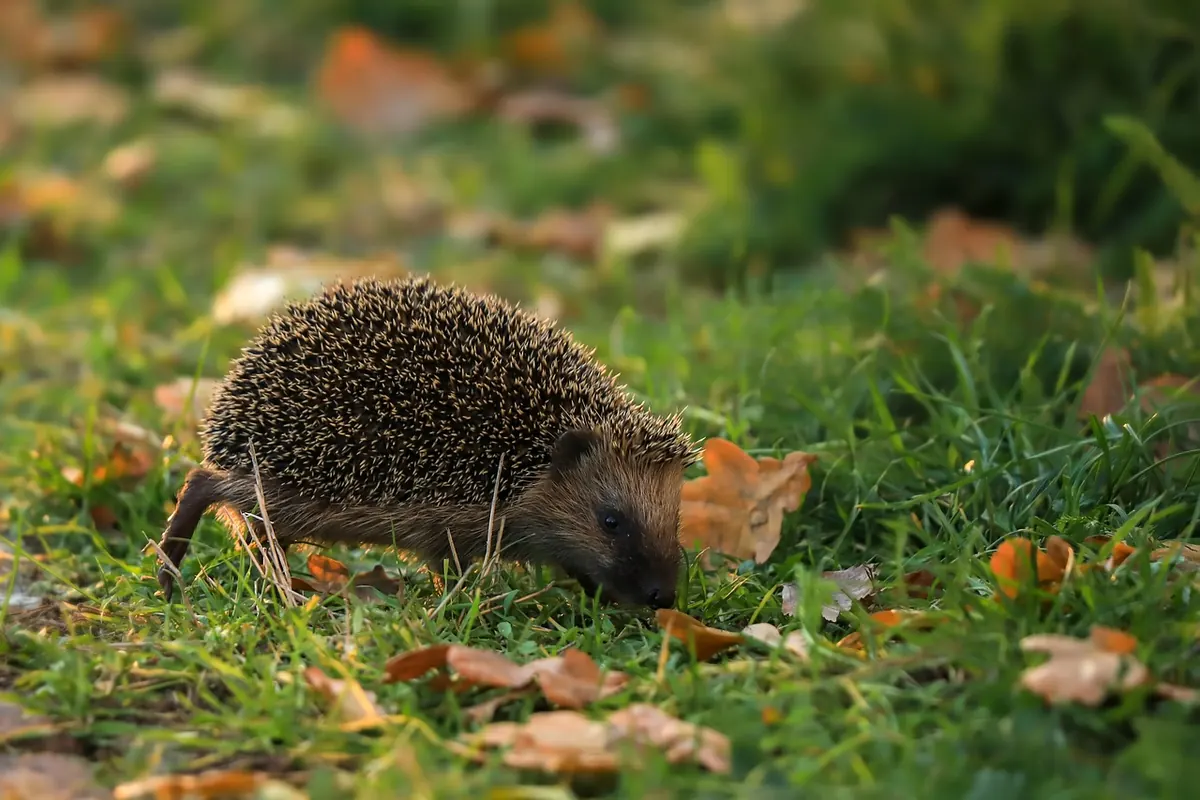
- Never let a dog chase deer, hares or rabbits. It's damaging to wildlife and it teaches a habit that's hard to undo.
- Leave gates as you find them, and if a gate was shut, shut it behind you.
Access rules differ across the UK, and rights of way don't always match what a path looks like on the ground. If a route crosses private land, or you're not sure whether you're allowed to be there, look it up on the local authority's definitive map or an up-to-date walking app before you set out.
A First Aid Kit You'll Actually Use
Keep it small and specific. A roll of self-adhesive bandage, sterile dressings, saline pods for flushing grit, tweezers, a tick removal tool, blunt-nosed scissors, and a foil blanket. Add a note of your vet's number and the number of the nearest practice to your planned route — if you're walking somewhere new, that second number is worth finding in advance.
Know your limits. You can clean a graze and apply pressure to a bleeding paw, but anything involving lameness that doesn't settle, swelling, vomiting, collapse, or a suspected adder bite needs a vet, promptly. Phone ahead so they know you're coming.
Manners That Keep Access Open
Most farmers and landowners are reasonable people who have had unreasonable experiences with dog walkers. Bag up and carry out everything, including the bags other people have hung on fence posts — it takes ten seconds and it helps keep footpaths open. Step to the side and put your dog on a lead when you meet horses, cyclists or families with small children. Don't let your dog approach strangers, however friendly they are.
Before You Lock the Door
Run the same quick check every time: lead, spare lead, water, treats, bags, first aid kit, phone charged. Then ask the one question that matters most — where is my dog going to be off the lead today, and is that genuinely sensible? If the answer is "nowhere", the walk will still be a good one. If it's "the open field after the sheep gate", enjoy it, and keep the long line handy.
Photo: Ar kay / Pexels