
A Seasonal Guide to Foraging in the UK: What to Pick and When
A month-by-month guide to Britain's edible wild plants, berries and nuts, with practical advice on identifying them safely and picking without stripping the hedgerow.
There is a week in late May when the elderflowers open along the lane and the whole hedge smells faintly of muscat. Miss it and you wait another year. Foraging in Britain runs on that kind of timing. The plants themselves are reassuringly ordinary — nettles, brambles, hawthorn, hazel — and most of them grow within walking distance of your kitchen. What changes through the year is when they are worth picking, and how sure you are that you have identified them correctly.
What follows is the year as it actually unfolds in the British countryside, season by season, with the plants worth looking for and the habits that keep you safe.
Spring: nettles, wild garlic and the first green shoots
March to May is the leanest stretch and, somehow, the most rewarding. The earliest useful pick is the stinging nettle. Take only the top two or three pairs of leaves from plants under about 30cm tall, before they flower — older nettles turn gritty and laxative. Gloves on, then cook them: soup, or wilted in butter with nutmeg. They taste closer to spinach than anything wild has any right to.
Wild garlic, also called ramsons, carpets damp woodland from March into May. Pick leaves from the middle of a dense patch rather than the edge, so the colony keeps spreading. Then crush a leaf between your fingers. It should smell unmistakably of garlic. That test matters, because wild garlic leaves look very like those of lily of the valley and autumn crocus, both toxic. If it doesn't smell of garlic, leave it alone.
Alongside those, look for young dandelion leaves before the flowers open, chickweed, and common sorrel, whose lemony leaves are excellent torn into a salad with something sharp and oily.
Early summer: elderflower, samphire and wild strawberries
Elderflower arrives in late May and runs through June. Pick the flat heads on a dry, sunny morning, when the pollen is loose and the scent is strongest, and leave any head that has started to brown. Use them the same day if you can — cordial, fritters, or steeped in gin. Elderberries, which follow in September, should always be cooked; eaten raw in quantity they cause stomach upsets.
June also brings marsh samphire to muddy estuaries, where it grows in thick green carpets. Pinch the top few centimetres of stem; it should snap cleanly. Wash it well and steam it for two minutes with butter. Don't confuse it with rock samphire, which is a different plant with a stronger, more medicinal taste.
Wild strawberries ripen in June and July on woodland edges and chalk downland. They are the size of a fingertip and taste like the cultivated version concentrated fivefold. Take a small punnet, sit down in the sun, and accept that most of them will not make it home.
High summer: brambles and bilberries
Blackberries start in late July and keep going into September. Pick from hedges in full sun and away from exhaust fumes — a verge beside a busy road is not the place. Brambles are at their best when they come away with almost no pull; if you have to tug, they are not ready. Freeze what you can't eat in a single layer, then bag them.
Bilberries grow on heather moorland in July and August, low to the ground and easy to miss until your eye adjusts. They are small, dusty blue-black and sour-sweet, and they stain your fingers purple. In Scotland and northern England, wild raspberries turn up in the same woods at the same time.
Autumn: hips, haws, sloes and nuts
September and October are the main event. Sloes — the fruit of the blackthorn — are traditionally picked after the first frost, which softens the skins, but you can pick them earlier and freeze them at home to the same effect before making sloe gin. Rosehips make syrup and jelly; halve them and strain well, because the hairs inside are a genuine irritant. Hawthorn berries and rowan berries are too bitter to eat raw but make excellent jellies, rowan especially when paired with crab apples. Cook rowan berries rather than eating them straight from the tree.
Nuts and fungi
Hazelnuts ripen in September, though squirrels usually get there first — look for green nuts still enclosed in their leafy husks. Sweet chestnuts fall from October onwards, and it is worth learning the difference between a sweet chestnut and a horse chestnut, because conkers are not edible. The sweet one has a densely spiky casing like a hedgehog; the horse chestnut's is smoother and bumpier.
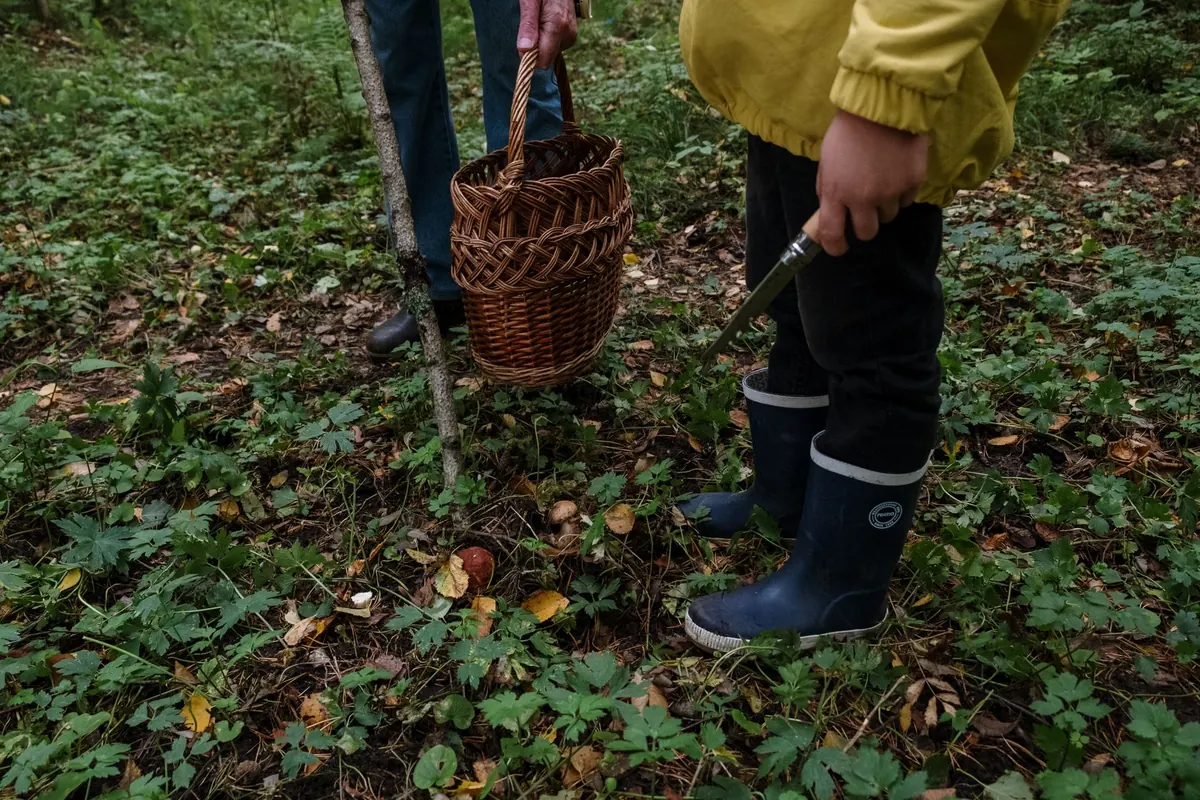
Fungi are where I would urge real caution. Several deadly species closely resemble good edibles, and no app or website is a substitute for going out with someone who knows what they are doing. Start with a local guided walk or a foraging group before you pick a single mushroom for the pan.
Winter: what is still worth picking
Growth slows but the hedgerow does not empty. Hairy bittercress and wintercress keep going in sheltered spots, sea beet holds its leaves on the coast, and sloes can be picked into December. Wild watercress is worth knowing about, though: plants growing in water that livestock or wild mammals can reach may carry liver fluke, so cook it unless you are certain of the source. Mostly, winter is for using what you stored — rosehip syrup, jellies, dried nettle powder for soups and pasta.
Safety, law and good manners
- Never eat anything you cannot identify with complete certainty. Check against two reliable field guides, not one.
- Take a little from many plants rather than everything from one. Leave plenty for birds, insects and next year's crop, and never pull up a plant by its roots.
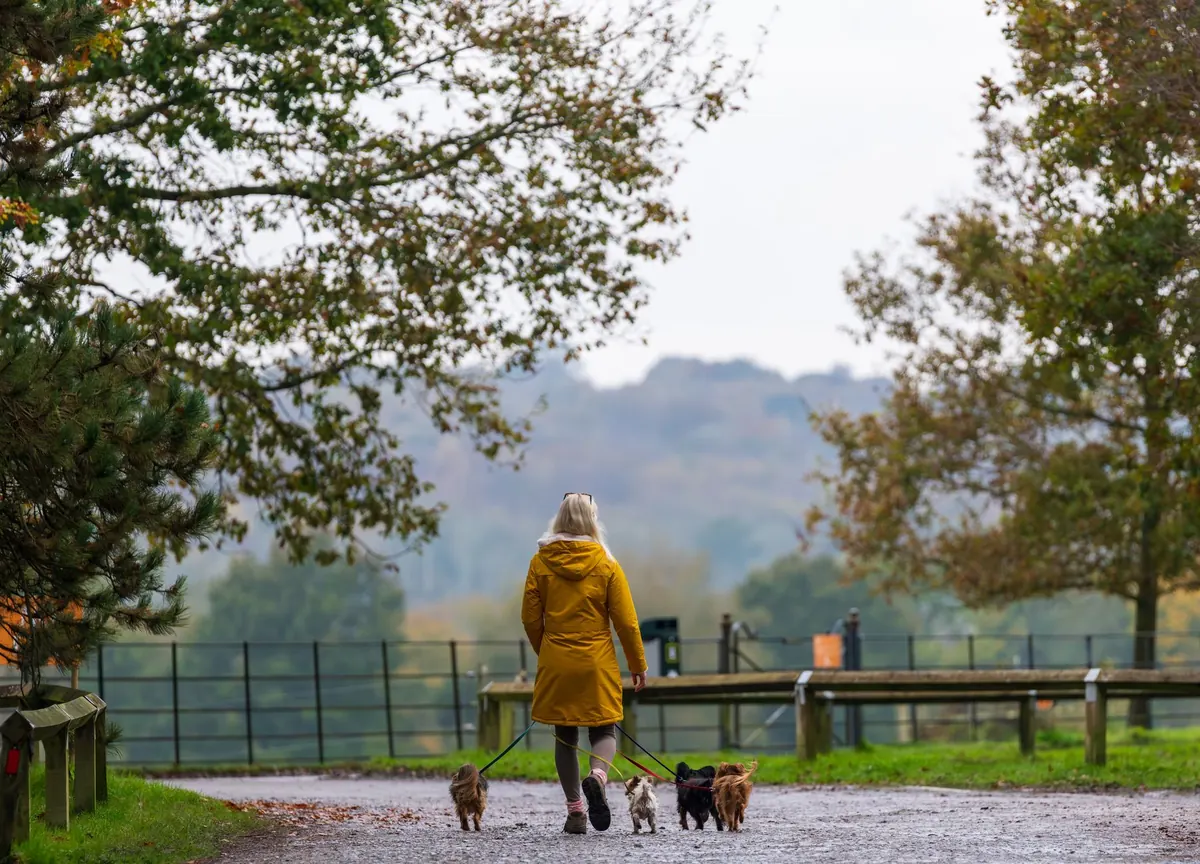
- Avoid busy verges, recently sprayed field margins, and ground where dogs are routinely walked.
- Wash everything, and cook nettles, elderberries, rowan berries and any wild watercress you are unsure about.
- In England and Wales, picking wild fruit, foliage and fungi for personal use is generally acceptable on land you have lawful access to. Digging up plants, and picking for commercial use, need the landowner's permission. Scotland's access rules are broader, but the same courtesy applies.
- Check the rules for nature reserves and Sites of Special Scientific Interest before you set off, and always ask on private land.
- If you are pregnant, have allergies, or take regular medication, speak to a doctor before trying unfamiliar plants.
Getting started this month
The simplest way in is to learn one plant per month properly rather than half-recognising twenty. Go out with the aim of identifying rather than collecting, note the date and the exact spot in a notebook, and go back the following week to watch how the plant changes. That is how the calendar in your head gets built.
Take a paper bag or a basket (fungi sweat in plastic), a pair of gloves, secateurs, a small knife, a hand lens and a field guide you trust. And tell someone where you are going — the best foraging spots tend to be the ones without much phone signal.
Photo: cottonbro studio / Pexels