Common Mistakes When Planting a Wildflower Meadow
The seed mix, the sowing date and the preparation you do beforehand decide whether a wildflower patch thrives or fizzles out. Here are the mistakes to sidestep.
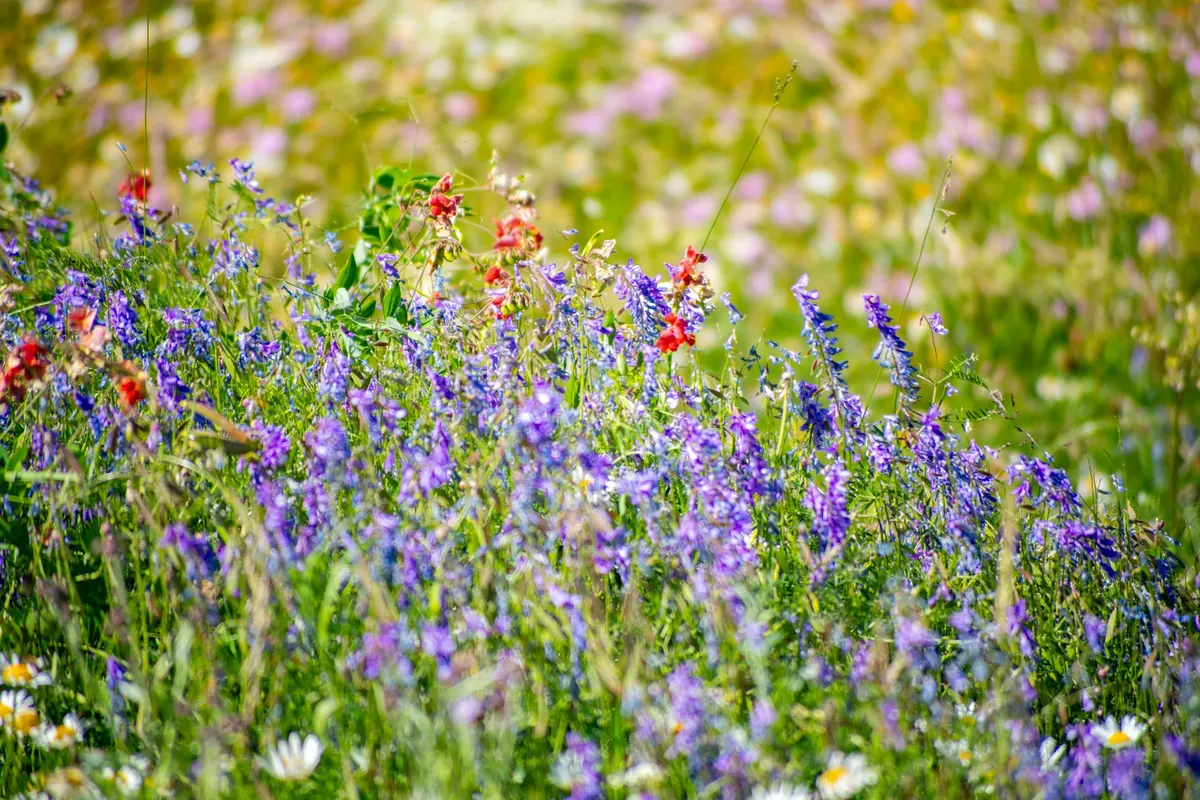
Some of the best wildflower meadows look as though nobody made them. That is the trick, and it is also why so many new patches fail. People treat a meadow like a lawn with prettier flowers, when the two want opposite things. A meadow wants poor soil, thin sowing, late cutting and a fair bit of patience. Get those wrong and you spend money on seed that either never shows up or gives you one summer of poppies before settling quietly back into ryegrass.
None of it is difficult. It is just different from the gardening most of us grew up doing.
Buying a mix that was never going to work
The single biggest cause of disappointment is the seed itself. A great many bags sold as "wildflower meadow mix" are mostly grass, and a lot of the rest are cornfield annuals — poppies, cornflowers, corn marigolds — which are lovely, cheap and completely temporary. They flower the first summer on bare ground and then vanish, because they are annuals. That is not a meadow. That is a colourful gap year.
A proper perennial meadow mix should list its species by name, with the grass component kept low and made up of fine, non-competitive species rather than agricultural ryegrass. If the label says only "wildflower mix", put it back.
- No species list. You cannot judge what you cannot see.
- Mostly annuals. Fine for a one-year show on bare soil, useless long term.
- Heavy grass content. Ryegrass and similar will outcompete everything else.
- Non-native or garden varieties. They may grow, but they are not a meadow.
- Bargain seed of unknown origin. Ask the supplier where it was grown and when.
Buy slightly more seed than you think you need, but sow it thinly. The two are not contradictory: seed is fiddly to handle, and you want enough to cover the ground evenly without carpeting it.
Sowing at the wrong time of year
Late summer and autumn is the best window for most perennial wildflower seed, roughly from the end of August through October. The soil is still warm, rain is usually on the way, and the cold of winter breaks the dormancy of species that need a chilling period. Seedlings get their roots down before the frosts and hit spring already established.
Spring sowing in March or April can work, and on heavy, wet clay it is often the kinder option. The risks are different: a dry May can kill young plants, and annual weeds get a head start while your perennials are still tiny. If you sow in spring, be prepared to water through any dry spell.
Timing traps to avoid
Do not sow in the middle of summer, however tempting the weather. Do not sow onto frozen, waterlogged or bone-dry ground. And if you want yellow rattle — the semi-parasitic annual that weakens grasses and lets flowers through — sow it in autumn, as it needs the cold to germinate properly.
Rushing the site preparation
This is where the real work sits, and it is the stage most people want to skip. Existing vegetation is the enemy. Established grass, docks, nettles and creeping buttercup will smother seedlings before they have a chance, and a quick strim and rake will not deal with the roots.
You have three sensible routes, and all of them take a season:
- Repeated cultivation. Cultivate the ground, wait a few weeks for weeds to germinate, then hoe or cultivate again. Repeat two or three times to exhaust the weed seed bank.
- Smothering. Cover the area with black polythene or a heavy woven membrane for several months, ideally over a growing season.
- Targeted herbicide. If you choose this route, follow the product label exactly and allow the recommended interval before sowing. Check the rules for your site first if you are near water or on rented land.
Then think about fertility. Wildflowers want lean soil; grass loves rich soil. If your patch has been fed, mucked or used as a veg bed, either skim off the top few centimetres of topsoil or spend a year cutting and removing growth to draw the nutrients down. Do not add compost, manure or fertiliser. Ever.
Sowing too thickly and too deeply
Wildflower seed is not lawn seed. Sow it sparsely, following the supplier's rate, and mix it with dry sand, fine soil or breadcrumbs so you can see where you have been. Split the seed into two lots and sow at right angles to each other for even coverage.
Then firm it in. Rake very lightly, tread the ground or roll it, so the seed makes contact with the soil. Do not bury it — several species need light to germinate and will sulk under a centimetre of soil. Water gently if the weather turns dry, and keep feet and dogs off the area while it establishes.
Mowing like a lawn — or not mowing at all
Both extremes cause trouble. In the first year, cut the patch several times to around 5–7cm to knock back annual weeds and encourage the perennials underneath. Never let it grow long and rank and then leave it.
From the second year, the routine changes. Let the flowers bloom, then take a hay cut in late summer — late July into September, depending on your site — and remove every last clipping. That cut, and the removal, is what keeps fertility low and the sward open. A second lighter cut in autumn tidies up. Leaving clippings to rot where they fall feeds the grass, smothers the flowers and slowly turns your meadow back into rough lawn.
Expecting too much in the first year
A new meadow rarely looks like much in year one. Expect bare patches, annual weeds and a lot of green nothing. Year two brings a few flowers. It is usually year three before it starts to look like the picture in your head.
Resist the urge to overseed madly, feed it or dig out every bare spot. Bare ground is a seedbed for next season's flowers, not a failure. If you see the odd thistle or ragwort, deal with it by hand rather than spraying the whole patch.
A workable plan for the first twelve months
Clear and prepare the ground properly, sow in autumn if you can, and keep the seed rate low. Cut regularly through the first summer, always removing the cuttings, and keep your expectations modest. By the following year you can settle into the rhythm that meadows actually like: one main hay cut in late summer, one tidy-up cut in autumn, and nothing else. If your soil is unusually rich or the site is awkward, a quick word with a local wildlife trust or an experienced meadow grower will save you a season of guesswork.
Do those things and the meadow does the rest. The wildness is not a lack of management — it is the reward for managing it the right way.
Photo: Ramaz Bluashvili / Pexels