
The Rural Home Autumn Maintenance Checklist
A month-by-month autumn plan for rural homes — gutters, chimneys, insulation and outdoor pipes — so the cold arrives at a house that is ready for it.
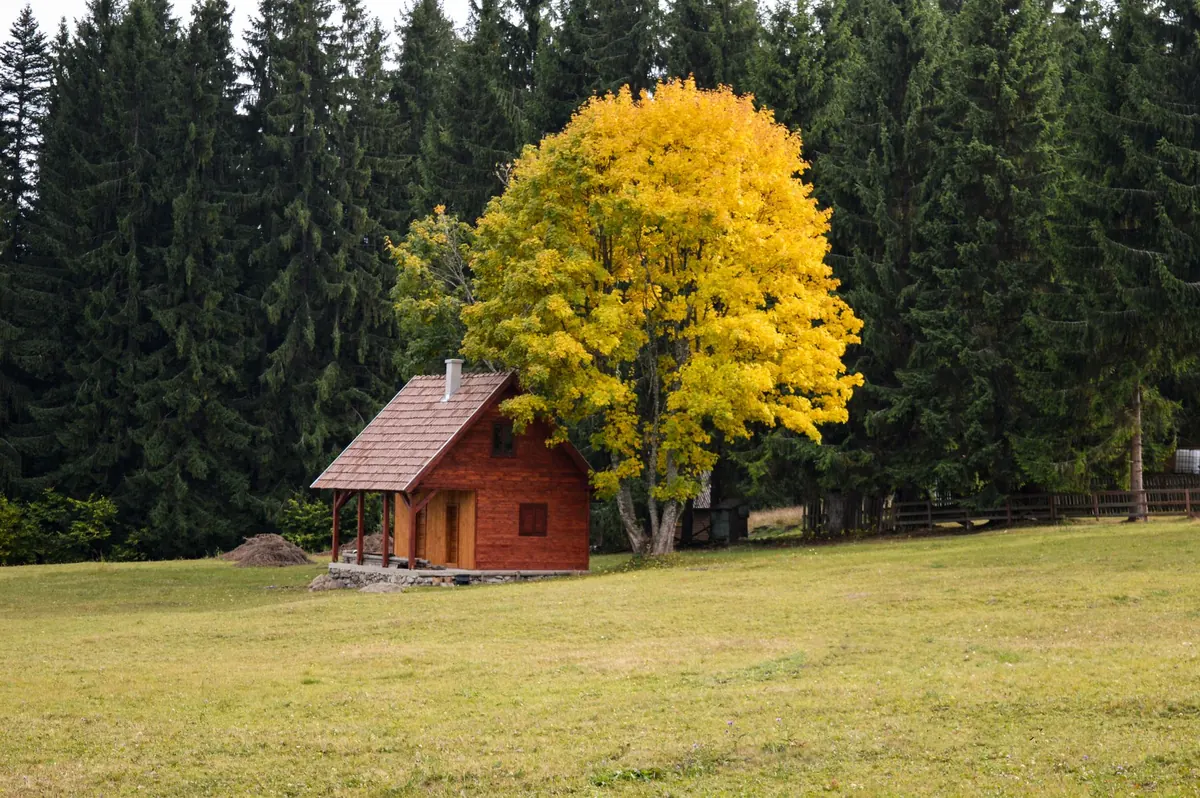
Rural houses take the weather personally. There is no terrace to break the wind, no corner shop within walking distance when the power drops, and often a longer run of pipe between the road and the kitchen tap than anyone would credit. Autumn is the short, generous window when you can get ahead of all of it: dry days, ground still workable, and enough daylight left after the working day ends. Leave it until the first hard frost and every job takes twice as long in half the comfort. What follows is a month-by-month plan that runs from the first chill to the week before Christmas.
September: Gutters, Downpipes and Anything That Carries Water
Start high and work downwards, because most of the damp patches you notice in January begin as a blockage you could have cleared in September. A full gutter spills down the wall, saturates the render and finds its way to the nearest cold bridge. Clearing it is a couple of hours with gloves, a bucket and a sturdy ladder set on firm, level ground.
- Clear gutters, hoppers and downpipes of leaves, moss and grit, then flush them through with a hosepipe and watch where the water actually goes.
- Check the joints and the fall. Water sitting in a run of guttering will find a weakness in the seam eventually.
- Lift gully grids and rod the drain runs before the leaf fall finishes the job for you.
- Clear the soakaway, French drain or ditch that takes the surface water away from the house. If it is slow now, it will be useless in a wet November.
- Empty and clean water butts, then refit the diverter so winter rain is captured rather than wasted.
On a lane, the ditch beyond your boundary matters as much as anything on the property. If it is the responsibility of the council or a neighbour, a polite conversation in September beats an argument in February.
October: Chimneys, Flues and the Woodpile
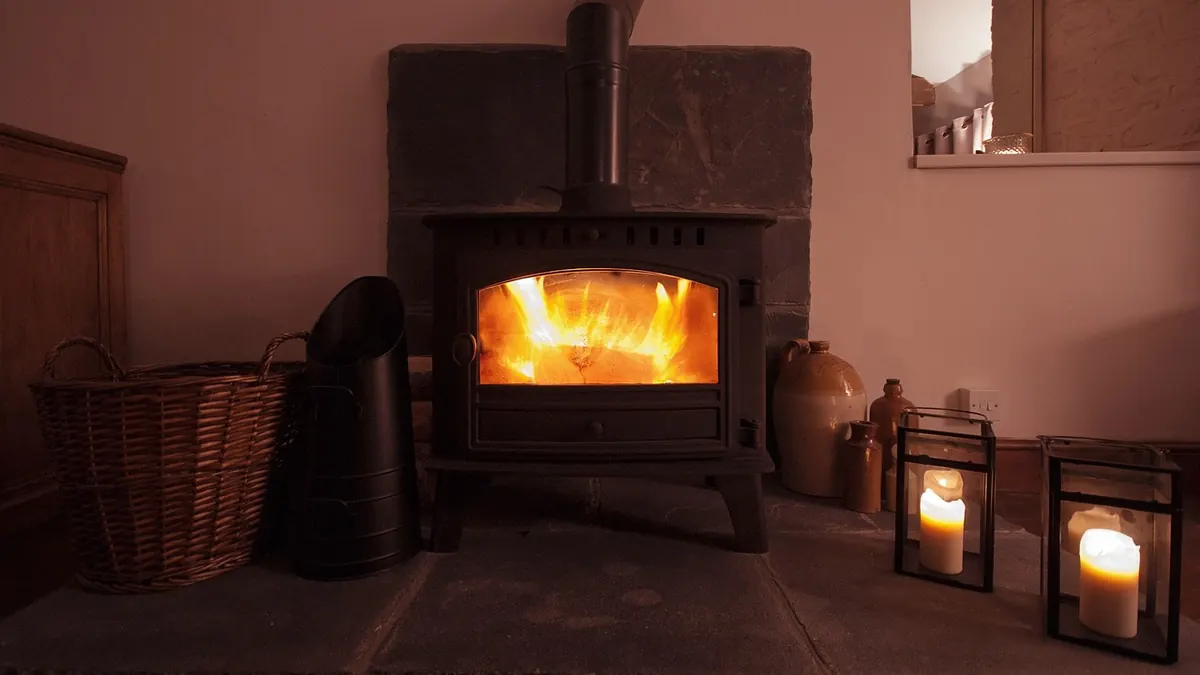
If you burn wood or solid fuel, the chimney is your engine, and it needs attention before the season starts rather than during it.
The chimney and flue
Book a sweep now, not in the week you want the fire lit. An annual sweep is the sensible minimum for a working chimney, and more often if you burn a lot of softwood or smoky fuel. Ask them to check the flaunching and pots while they are up there, look for cracked render, and fit or inspect a bird guard. Inside, check the register plate, the stove door rope and the seals, and make sure the air controls still move freely. Fit a carbon monoxide alarm in the same room as any solid fuel or gas appliance, and test it. Everything in this paragraph is safety work — if you are unsure about the condition of a flue, get a qualified sweep or installer to look at it rather than guessing.
The woodpile
Move next winter's logs under cover with the air moving through them, bark side up if you split your own, and keep a smaller supply close to the door for wet evenings. Dry wood burns hotter, soots less and gives you more heat for the same effort. If you are buying in, buy early and let it season rather than burning it green because the forecast turned.
Late October: Insulation, Draughts and Cold Spots
Cold air is only half the problem; the other half is warm air escaping. Go into the loft on a dry afternoon with a torch and look for the places you can see daylight or the tops of the joists.
- Top up loft insulation until the joists disappear beneath it, and never push it into the eaves so far that you block the ventilation there.
- Lag the cold water tank, the cylinder and every visible pipe run, especially where pipes pass close to a vent or a loft hatch.
- Draught-proof the obvious offenders: letterbox, cat flap, back door, loose sash windows, and the gap under a stone doorstep.
One caution for older rural properties: don't seal a solid-walled house so tightly that it cannot breathe. Chimneys and old stone need some air movement, and trapping moisture indoors causes more damage than a draught ever will. Fix ventilation before you eliminate it.
November: Outdoor Pipes, Taps and Tanks
This is the month that catches people out, usually on the first genuinely cold night, usually in an outbuilding.
- Find the stopcock, check that it turns, and label it. Show everyone in the house where it is.
- Lag every exposed pipe in the garage, stable, barn or lean-to — foam sleeving for straight runs, proper insulation for the awkward corners.
- Isolate and drain outside taps and standpipes, or fit an isolator if there isn't one already.
- Drain the outside WC, garden irrigation and any hosepipe left connected.
- Look at the boiler condensate pipe. If it runs outside, lag it or, better, have it re-routed internally, because a frozen condensate line shuts the heating down on the coldest morning of the year.
- Check the oil tank, its base and its bund — an early delivery is easier to arrange than an emergency one.
Early December: One Walk Around the Boundaries
Do a slow lap of the place on a dry day. Clear leaves from paths and steps before they turn to slime. Check gates, hinges and latches, and look up at the trees near the drive, the power line and the buildings for dead limbs that a gale will bring down. Sweep the chimney of any second flue you use occasionally. Then stock the practical things: torches, batteries, candles, a charged power bank, salt or grit for the drive, and a few days' worth of fuel. Rural power cuts are rarely dramatic, but they always seem to happen on the evening you have nothing in.
Where to Stop and Call Someone In
Some jobs are worth paying for. Gas appliances and anything involving a gas supply should be serviced and repaired by a Gas Safe registered engineer, not attempted yourself. Boiler and oil appliance servicing is best done annually by someone qualified on your make and model. Fixed electrical work, particularly in outbuildings, wants a competent electrician. Chimney sweeping, tree work near buildings or overhead lines, and anything requiring you to work at height on a slate or stone roof all fall into the same category. Get quotes in the autumn when tradespeople are less frantic, and keep a note of who you used. The rest — gutters, lagging, log stacks and a decent torch — you can do yourself, and your house will thank you for it in February.
Photo: Valentin Onu / Pexels